Under Pillow Speaker Only You Can Hear: How They Work
An under pillow speaker sits close to your ear so it can play at low volume, but sound still leaks. Learn how far it carries and how to set volume and placement.
The Folio & Current Team
November 15, 2026 · 5 min read

An under pillow speaker only you can hear is a small speaker placed close to your ear, so it can play at a low volume while a partner a few feet away hears little. Two designs do this: flat speakers that push sound through the pillow, and pads that pass sound as vibration. Neither makes sound disappear, so your volume and placement decide how far it carries.
This guide explains how the sound leaks, compares the two designs, and walks through volume and placement so you can set one up for a shared bed.
How an under pillow speaker only you can hear works
Any speaker works by moving something, either air or a surface. A regular room speaker moves a lot of air so the sound reaches the whole room. A pillow speaker sits a few inches from your ear, so it needs far less output to be heard by you.
That is the whole idea behind close-range listening. The pillow also adds a layer of fabric and filling between the speaker and the room, which muffles the higher sounds that carry farthest.
Two ways the sound reaches your ear
- Air sound: a flat speaker moves air, and the sound passes up through the pillow to your ear.
- Vibration: a pad shakes the pillow or the surface it touches, and you hear that as sound near your ear.
Either way, nothing is worn in the ear, which is why side sleepers often look at this style instead of earbuds.
How far can a partner hear it?
There is no fixed distance, because several things change the answer. Check these four before you judge any model.
- Volume: the higher the level, the farther the sound travels through the mattress and the room.
- Content: voices and higher-pitched sounds are easier to follow from the other side of the bed than low, steady sounds.
- Pillow thickness: a thick pillow with dense filling absorbs more than a thin, flat one.
- Room: a quiet room makes small sounds easier to notice, and a hard headboard can reflect them.
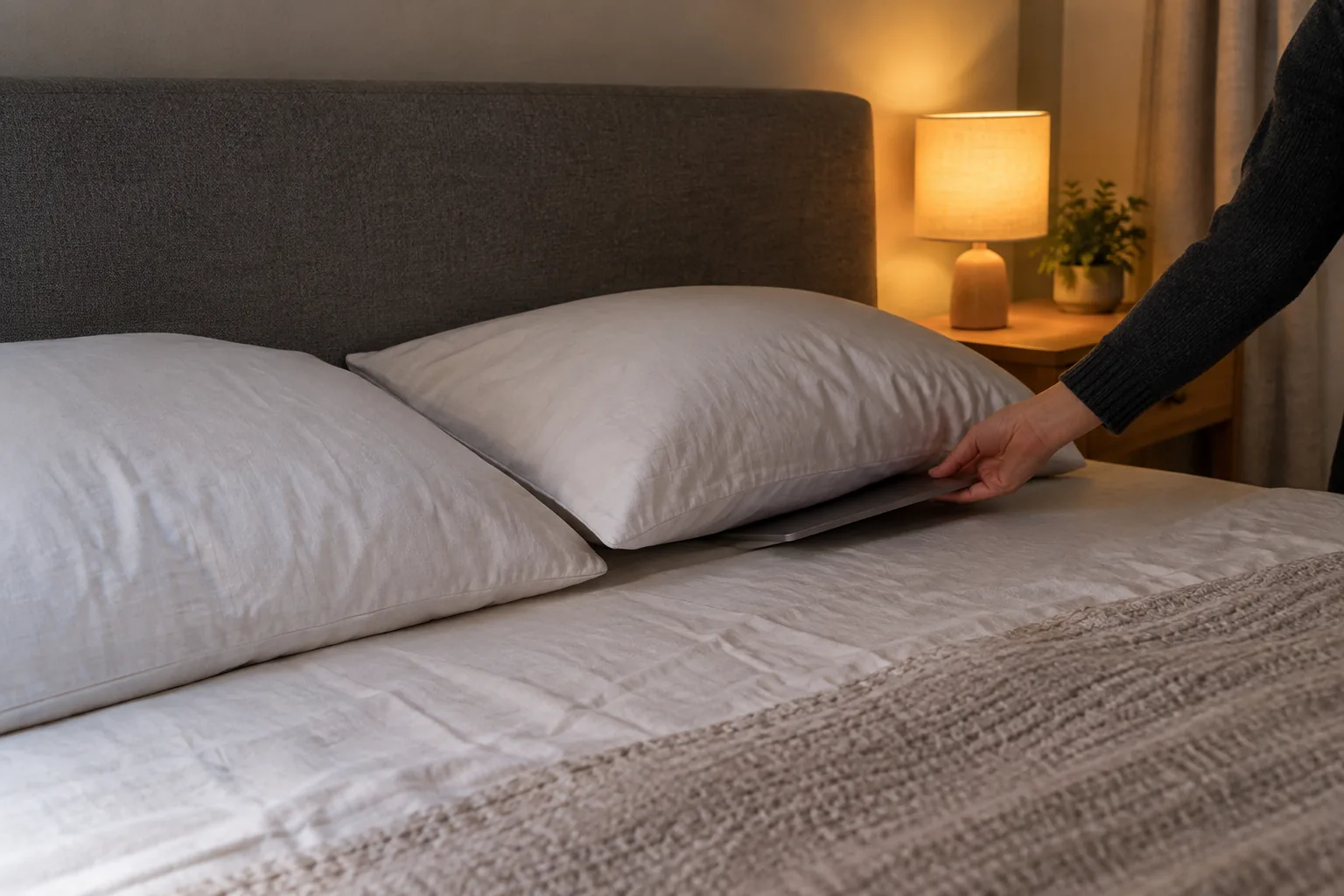
A partner is most likely to notice leaked sound when the speaker sits near the edge of the pillow, or when the pillow is pushed against their side. Keep the speaker toward your own ear and the outer edge of your side.
Vibration also travels. A speaker that shakes the pillow can pass a faint buzz into a shared mattress if it touches the bed frame or the sheet under both pillows. Test it with your partner in the room and ask what they hear.
Flat speakers vs bone-conduction pads
Both are sold as an under pillow sleep speaker, so the label alone does not tell you how they behave. This table sets out how they differ.
| Point | Flat speaker | Bone-conduction pad |
|---|---|---|
| How sound is made | Moves air through the pillow | Passes vibration to the pillow or the head |
| Where it sits | Under the pillow, near the ear | Under or against the pillow, close to the ear |
| What leaks | Air sound as volume rises | Vibration and some air sound |
| Side sleepers | Thin models stay out of the way | Depends on pad thickness and position |
| Check before buying | Thickness, input type, timer | Whether it truly uses bone conduction or pillow vibration |
Some products are described as bone conduction when they actually pass vibration through the pillow. Read the product page for the exact method.
A pillow vibration option: NightLull
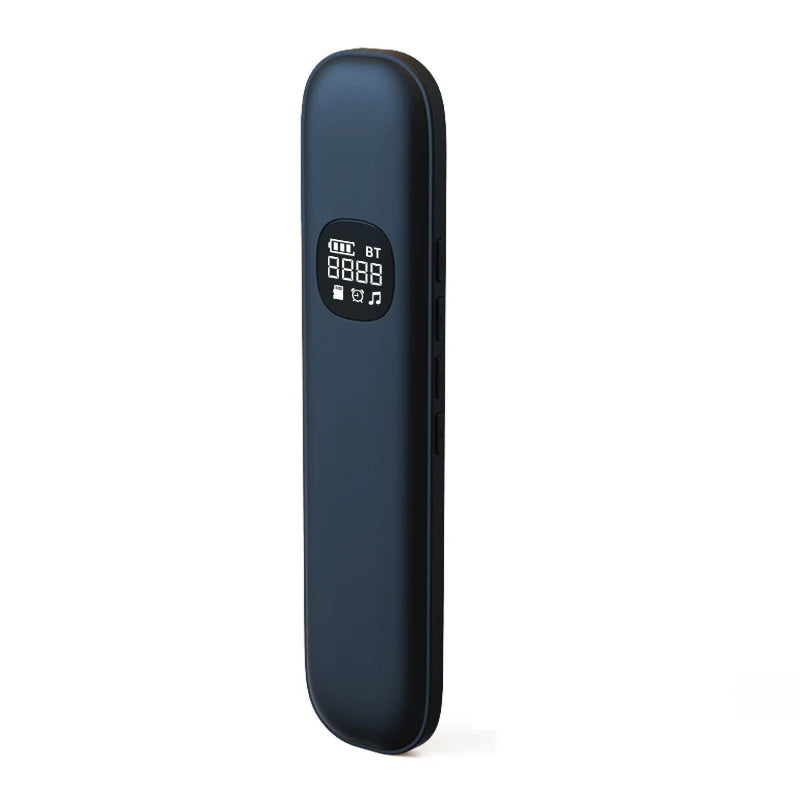
NightLull is an under pillow speaker that sends audio as gentle vibration through the pillow. It does not use bone conduction. You place it near where your ear rests, with nothing worn in or on the ear.
Its sound field is small, made for close-range listening under a pillow. Audio is aimed at the area around your ear, so it suits shared rooms where you want to keep the volume low.
- Sources: Bluetooth 5.4, or a TF card of 128GB capacity or smaller loaded with your own tracks.
- Built-in audio: eleven soundscapes, available without a connected device.
- Timer: three settings, thirty, sixty and one-hundred-twenty minutes.
- Charging: USB-C, with a USB Type-C cable and a quick-start manual in the box.
 In this guideNightLull$79.99View
Setup: volume and placement step by step
- Charge the speaker with the supplied cable before first use, and follow the manual.
- Pair it over Bluetooth, or insert a TF card with your tracks. If pairing is stubborn, see our Bluetooth pairing steps and fixes.
- Set the volume to its lowest level while you are lying in your usual position.
- Raise it one step at a time until you can just follow the sound.
- Ask your partner, or step to their side of the bed, and check whether they hear anything.
- Move the speaker a little toward your ear and lower the volume if the sound is audible across the bed.
- Set the timer so playback ends on its own, then lie down.
For NightLull, double-click the power button to enter timer mode, then use the plus and minus buttons to choose a setting. Slide it under your pillow near where your ear rests.
Field note
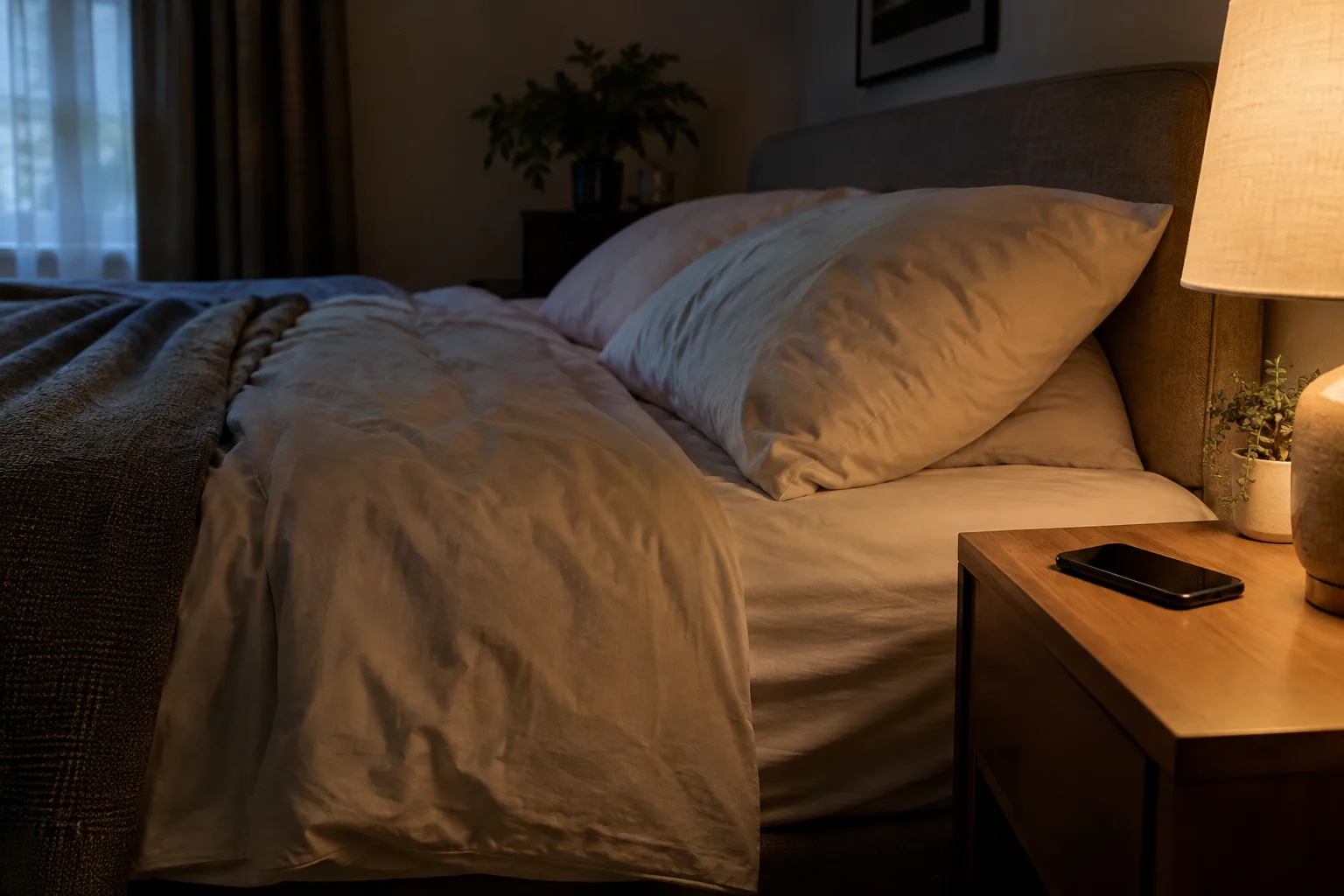
Set the volume while lying on the pillow, not while sitting up. Your head compresses the filling and changes how loud the sound is at your ear, so a level that seemed low can turn out louder than you want.
Common mistakes and a care checklist
Mistakes that make sound carry
- Setting the volume while sitting up instead of lying down.
- Placing the speaker at the pillow's edge or against the headboard.
- Playing speech-heavy content at a level you would use for a room speaker.
- Leaving a wire or cable where it can pull the speaker out of place.
Checklist before each night
| Check | What to do |
|---|---|
| Charge | Plug in with the USB-C cable as the manual describes |
| Volume | Start low, raise by one step |
| Position | Under the pillow, near your ear |
| Timer | Choose a setting before lying down |
| Source | Confirm Bluetooth or TF card is selected |
Listening for long periods at high volume is a concern with any audio device, so keep the level low and ask a hearing professional if you have questions about your own hearing. For other speaker types around the home, browse Speakers & Sound Systems.